Roof Leak Repair in Bristol
Get a Free Quote
Our Services

Roof Leaks Traced to the Source and Fixed Properly
A damp patch on the ceiling, a drip in the loft or a brown stain creeping down a bedroom wall. However it shows up, a roof leak in Bristol rarely starts where you can see it. Water can run along rafters and felt for a metre or more before it finds a way through, which is why so many quick fixes fail after the next storm.
We start by finding exactly where the water is getting in. That means checking the tiles and slates, the flashing around chimneys and walls, valleys, ridge and hip mortar, roof windows and the felt underneath. Once we know the cause, we fix it properly and show you what we found.
Most leaks need a small roof repair, not a new roof. If a repair will do the job, that is what we quote for.
Because we work on roofs across Bristol every week, we know how the different homes in this city tend to fail. That local knowledge helps us find the leak quicker and fix it first time, which keeps the cost down for you.

Common Causes of Roof Leaks in Bristol
Bristol gets plenty of driving rain, and older roofs across the city take a battering every winter. These are the faults we find most often:
Wind matters as much as rain. Strong south-westerly gales lift tiles and slates at the edges of the roof, and once one has gone, the next storm pushes water straight underneath.
- Slipped, cracked or missing tiles and slates
- Worn or lifted lead flashing around chimneys and walls
- Blocked or failed valleys between roof slopes
- Cracked ridge and hip mortar
- Perished felt under older tiled roofs
- Failed seals around VELUX and other roof windows
On the Victorian terraces of Bedminster, Southville and Totterdown, the usual culprits are tired slate and chimney flashing. On rear extensions and loft dormers in Bishopston and Horfield, it is often a failing flat roof. Newer homes with concrete tiles tend to leak at the ridge or verge, where the mortar has cracked and let the wind drive rain underneath.
Leaks around chimneys are so common that they get their own fix. Where the lead has lifted or split, we renew the lead flashing rather than smearing sealant over it, because sealant rarely lasts more than a season or two.
We match the existing roof wherever we can. On slate roofs that often means reclaimed natural slate to match older Welsh slate. On tiled roofs we source matching clay or concrete tiles, so the repair blends in rather than standing out.
Expert Advice
How We Find a Roof Leak
Finding a leak is detective work. We start inside, looking at where the stain or drip appears and checking the loft for wet timber, damp insulation and daylight. Then we look at the roof above and around that area, because water often travels along felt and rafters before it shows. Common entry points include the flashing where a roof meets a chimney or wall, valleys between slopes, the ridge and hips, around roof windows and vents, and any slipped or cracked tile or slate.
On flat roofs, leaks usually start at the edges, upstands and outlets rather than the middle of the roof. Ponding water, blisters and splits are all warning signs. On tall or awkward roofs, a drone survey can pinpoint the problem without scaffold.
Temporary Fixes Versus Proper Repairs
Sealants, tapes and paint-on coatings can stop a drip for a while, but they rarely last more than a season or two on a pitched roof. A proper repair fixes the cause: refixing or replacing slipped tiles and slates, renewing lead flashing, rebedding or dry-fixing a ridge, or repairing a failed flat roof detail. Where we have to make a roof safe in bad weather, we explain what is temporary and quote for the permanent fix.
When a Leak Means Something Bigger
If leaks keep appearing in different places, the roof covering or the felt underneath may be reaching the end of its life. In that case we will tell you honestly and explain the options, including roof replacement.
How We Repair a Leaking Roof
Some leaks are obvious. Others only show up as a musty smell in the loft, peeling paint high up on a wall or a ceiling that feels slightly soft. If you notice any of these, get the roof looked at before the damage spreads to plaster, timbers and insulation.
Every leak repair follows the same simple process, whether it is one slipped tile or a failed valley.
- Inspection: we check the roof and the loft to find the real entry point, and take photos so you can see it too.
- Written quote: you get a clear price for the repair before any work starts.
- Repair: we fix the cause with matching tiles or slates, new lead or fresh mortar as needed.
- Final check: we check the area, clear up and show you the finished repair.
Small and One-Off Roof Repairs Across Bristol
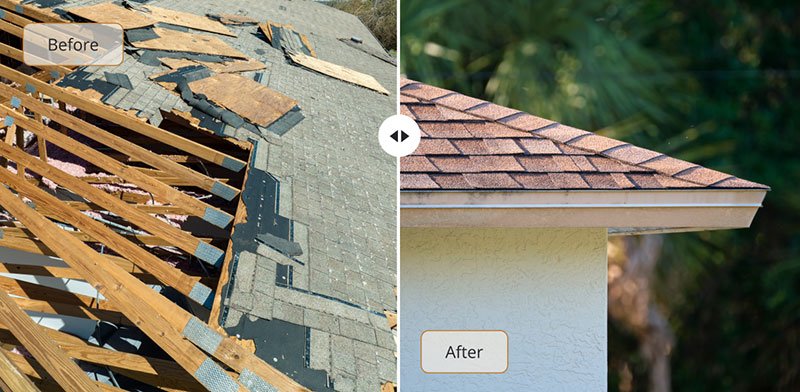
No job is too small. A single cracked tile, a loose ridge or a bit of flashing that has lifted in the wind are all worth fixing before they let water in. We carry out small and one-off roof repairs all over the city, including Clifton, Redland, Henleaze, Kingswood, Brislington, Fishponds and the city centre.
Not sure what is wrong up there? A drone roof inspection shows you the problem up close without ladders or scaffold. For general repairs across the whole roof, see our main roof repair in Bristol page.
Most homes have at least one weak spot on the roof, and the trick is catching it early. If you have had a leak before, or your roof is more than 30 years old, a quick check after a big storm can save a lot of hassle later.
Roof leak repair is part of our residential roofing services across Bristol and Bath. For offices and business premises, see commercial roofing.
Roof Leak Repair Reviews From Bristol and Bath Customers
Our authenticity promise: we only publish genuine reviews from real customers, with their permission. Every review shown here will include the customer’s first name, their area, the work carried out, the date and where the review was left. We never write, buy, edit or pay for reviews.
Reviews from customers who have had roof leak repair work carried out across Bristol and Bath will appear here as jobs are completed. If we have worked on your roof, we would love to hear how it went.
Roof Leak Repair FAQs
How much does a roof leak repair cost in Bristol?
It depends on what is causing the leak and how easy it is to reach. Replacing a few slipped tiles is a small job, while renewing chimney flashing or a valley takes longer and may need scaffold. You get a fixed written quote after we inspect the roof.
Can you fix a roof leak the same day?
Often, yes, if it is a straightforward repair and the weather allows. If the roof needs more work, we make it watertight first and come back to finish the job properly.
What should I do while I wait for a roofer?
Put a bucket under the drip, move valuables and electrics away from the wet area and, if it is safe, look in the loft to see where the water is coming in. Do not go up on the roof yourself. If water is pouring in, call us about an emergency roof repair.
Will my home insurance cover a roof leak?
Sudden storm damage is often covered, but gradual wear and tear usually is not. We can record the damage with photos and a written report to support your claim. Read more about insurance roof repairs.
Do I need a new roof if it keeps leaking?
Not always. Leaks in several places can mean the felt or tiles have reached the end of their life, but many roofs just need the right repair. We will tell you honestly whether a roof replacement makes sense.
How long does a roof leak repair take?
Most leak repairs take a few hours. Jobs that need scaffold, such as chimney flashing or valley repairs on taller houses, can take a day or two including putting up and taking down the scaffold.
Do you repair leaks on flat roofs and extensions?
Yes. Flat roofs on extensions, garages and dormers are one of the most common sources of leaks we see. We repair felt, EPDM and GRP roofs, and replace them when a repair is no longer worth it. Our flat roof repair page has more detail.
Can you fix a leak around a VELUX window?
Yes. Leaks around roof windows usually come from worn flashing kits or failed seals. We replace the flashing or seals and check the tiles around the window. See our VELUX windows page for more.
Will my roof repair meet current standards?
It should. BS 5534 is the British Standard code of practice for slating and tiling. Since its 2014 revision, every single-lap tile must be mechanically fixed and ridge and hip tiles can no longer rely on mortar alone. We fix replacement tiles and slates in line with it.
Can a roof leak be fixed in the rain?
Light showers do not usually stop work, but heavy rain, strong wind or ice do, for safety. In bad weather we cover the area to stop water getting in and come back to finish the repair once it is dry.

Why Choose Us for Roof Leak Repair
A leak left alone only gets worse. Wet timbers rot, insulation stops working and, in the worst cases, ceilings come down. Getting it fixed properly the first time saves you money and stress.
We explain what we find in plain English, give you a fixed price before we start and never push work you do not need. If the leak turns out to be part of a bigger problem, we tell you straight and talk you through the options.
- Leaks traced to the source, not patched over
- Honest advice: a repair if a repair will do
- Clear written quotes with no hidden extras
- Tidy work and a final check before we leave