Roofing Systems We Install and Repair
Get a Free Roof Quote
Roofing Systems
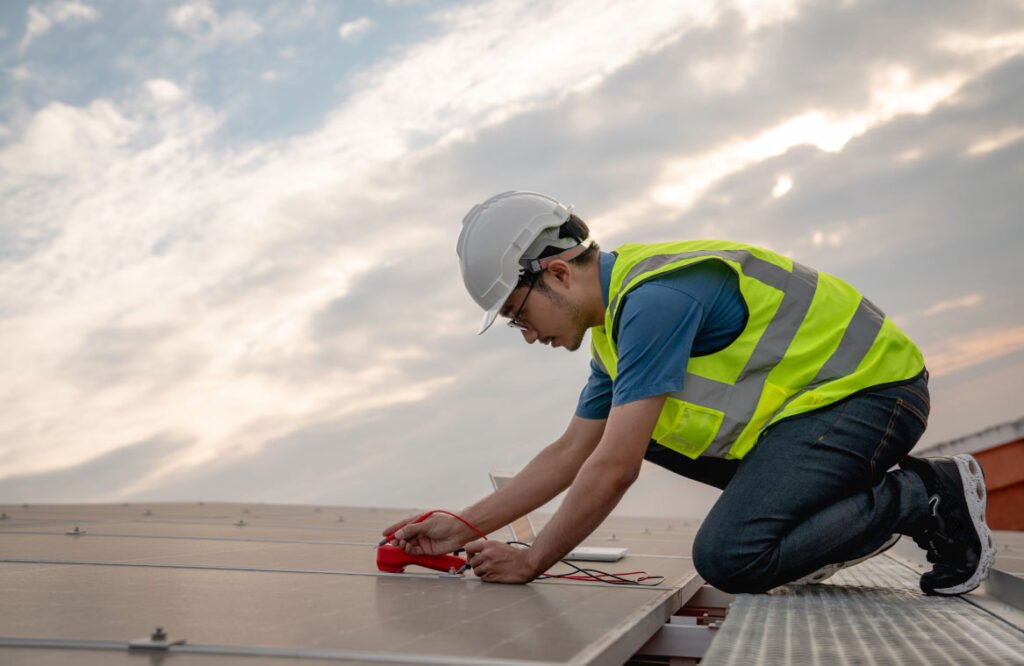
Every Roofing System for Homes and Businesses
Choosing the right roof covering matters as much as fitting it well. The best system depends on the pitch of the roof, the structure underneath, how the roof is used, the look of the building and your budget. We install and repair every main type of roofing system in Bristol and Bath, on houses and commercial buildings alike, and explain the options honestly so you can choose with confidence.

Pitched Roof Systems
For sloping roofs on houses and many older buildings:
- Natural slate, including Welsh and Spanish slate
- Clay tiles, including plain and interlocking tiles
- Concrete interlocking tiles
- Lead roofing on bays, dormers and valleys
- Metal standing seam and profiled sheet roofs
- Roof windows, skylights and roof lights
Read more about slate roofing, tile roofing, lead flashing and leadwork, metal roofing and VELUX roof windows. Pitched roofs are fixed in line with BS 5534, the British Standard for slating and tiling, which requires every single-lap tile to be mechanically fixed.
Flat and Low-Pitch Roof Systems
For extensions, garages, dormers, offices, schools and industrial buildings:
- EPDM rubber roofing: a single sheet membrane, popular on homes and small commercial roofs
- GRP fibreglass roofing: a hard, seamless finish that copes well with foot traffic
- Felt roofing: modern torch-on and built-up felt systems
- Single ply membranes: PVC and TPO for large commercial roofs
- Liquid roofing: cold-applied coatings ideal for complex details and refurbishment
- Mastic asphalt: a traditional, very durable finish on older commercial buildings
- Green roofs: living roofs that add insulation and help with rainwater
All flat roof systems are covered on our main flat roof repair page.
Expert Advice
How to Compare Roofing Systems
When comparing systems, it helps to think about five things: the pitch of the roof, the structure underneath, how the roof is used, how long you want it to last and how it needs to look. A steep pitched roof on a period home points towards slate or clay tiles. A low-pitch extension roof suits standing seam metal or a flat roof membrane. A large commercial roof with plant on it suits single ply or liquid systems, while a balcony that is walked on suits GRP or asphalt.
Lifespan depends as much on installation as on material. Every system has weak points, usually at the edges, upstands, outlets and joints, and that is where most failures start. Choosing a good system and then detailing it properly is what makes a roof last.
Standards Behind Good Roofing
Pitched roofs in the UK are designed and fixed in line with BS 5534, the code of practice for slating and tiling, which since its 2014 revision requires every single-lap tile to be mechanically fixed. Flat roofs are installed to manufacturer guidance for each system, with insulation upgraded where Approved Document L requires it. Green roofs follow the GRO Green Roof Code.
Repair or Replace?
Almost every system can be repaired if the damage is limited and the structure underneath is sound. When failures appear across the whole roof, replacement with a modern system is usually better value. We give you an honest view either way.
Commercial and Industrial Systems
Larger buildings often need specialist systems:
- Industrial metal roofs: profiled steel sheets and composite insulated panels.
- Overcladding: a new metal roof fitted over an old sheet roof.
- Asbestos cement roofs: careful repair, overcladding or replacement.
- Gutter linings and roof lights: often the first parts of an industrial roof to fail.
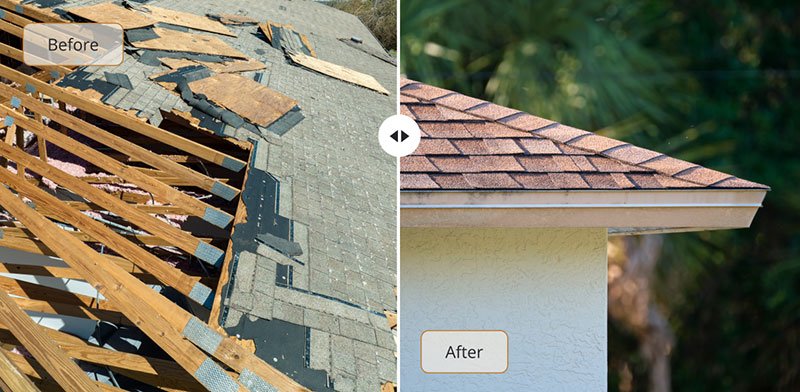
Not Sure Which System You Need?
Start with a survey. A drone roof inspection shows the whole roof up close, and we then recommend the system that suits the building rather than the one that is easiest to sell. See industrial roofing and asbestos roof replacement for larger buildings, our residential and commercial hubs.
Roofing System Reviews From Bristol and Bath Customers
Our authenticity promise: we only publish genuine reviews from real customers, with their permission. Every review shown here will include the customer’s first name, their area, the work carried out, the date and where the review was left. We never write, buy, edit or pay for reviews.
Reviews from customers who have had roofing system work carried out across Bristol and Bath will appear here as jobs are completed. If we have worked on your roof, we would love to hear how it went.
Roofing Systems FAQs
What is the longest-lasting roofing system?
Natural slate can last a very long time, often over 100 years, with the fixings and battens wearing out first. On flat roofs, well installed EPDM, GRP, single ply and mastic asphalt systems can all last for decades.
Which flat roof system is best?
It depends on size, use and budget. EPDM and GRP suit most homes, while single ply and liquid systems are popular on large commercial roofs. We explain the pros and cons for your roof.
Can you repair a roof system you did not install?
Yes. We repair all common systems, whoever fitted them, and tell you honestly whether repair or replacement makes more sense.
Do new roofs need building regulations approval?
Renovating a large part of a roof usually brings in the energy efficiency rules in Approved Document L, so insulation may need upgrading and building control approval may be needed.
Honest Advice on Roofing Systems
Every system has strengths and weaknesses. We explain them plainly, including cost, lifespan and maintenance, so the roof you choose suits the building for decades.
- Every main roofing system covered
- Advice based on the building, not a sales target
- Installation to manufacturer guidance
- Repairs to existing systems as well as new roofs