Tile Roof Repair in Bristol
Get a Free Quote
Our Services

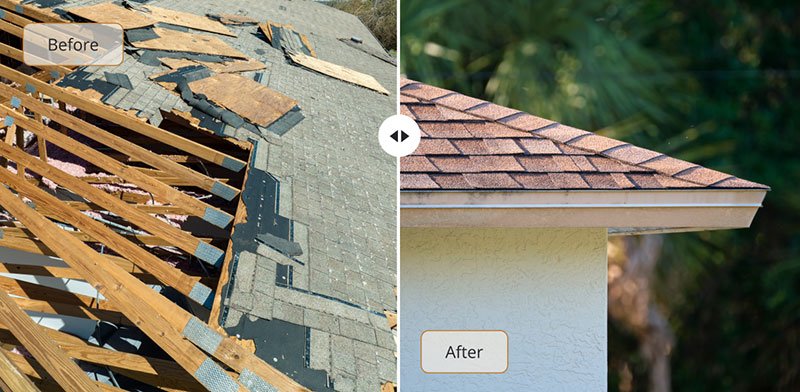
Slipped, Cracked and Missing Tiles Fixed Properly
A single slipped tile might not look like much from the street, but it leaves a gap where rain can get straight in. Left alone, that small gap can soak the felt and battens underneath and turn a quick fix into a bigger job.
We carry out tile roof repair in Bristol on clay, concrete and interlocking tiled roofs. We replace slipped, cracked and missing tiles, rebed or dry-fix loose ridge and hip tiles, and repair verges where mortar has fallen out. Wherever we can, we match the new tiles to your existing roof so the repair is hard to spot.
You get a clear written quote before any work starts, and if the problem is wider than a few tiles, we explain why.

Tile Roof Problems We Fix
Tiled roofs are common across Bristol, especially on 1930s and post-war homes. These are the repairs we carry out most:
- Slipped tiles where nails or nibs have failed
- Cracked tiles after frost or foot traffic
- Missing tiles after high winds
- Loose ridge and hip tiles with cracked mortar
- Crumbling mortar along the verges
- Damaged tiles around roof windows and vents
The 1930s semis of Henleaze, Brislington and Knowle, and the post-war homes of Filton and Fishponds, often have concrete interlocking tiles. These roofs usually fail at the ridge and verge first, where old mortar cracks and lets wind-driven rain underneath. Modern dry-fix systems are a good long-term answer.
Older clay tiled roofs need a gentler touch, because original clay tiles can be brittle and hard to match. We source matching clay tiles where possible and use reclaimed tiles for period homes.
Expert Advice
Clay, Concrete and Interlocking Tiles
Plain clay tiles are small, double-lapped and common on Edwardian and interwar homes. Concrete interlocking tiles became widespread from the middle of the twentieth century and cover a large share of Bristol and Bath housing. Each type has its own fixing pattern, minimum pitch and matching ridge and hip tiles, so repairs need the right replacement tile and the right fixing.
Ridges, Hips and Verges
The most common failures on tiled roofs are at the edges rather than the middle. Ridge and hip tiles bedded only in mortar crack loose over time, and verge mortar at gable ends falls out, letting wind-driven rain underneath. Under BS 5534, these should now be fixed mechanically, so dry ridge, dry hip and dry verge systems are often the long-term fix.
Underlay and Battens
On older roofs, the felt beneath the tiles may have perished or sagged between rafters, and battens may have rotted. If a repair reveals widespread problems underneath, re-tiling a slope with new breathable membrane and graded battens is usually more cost-effective than chasing individual leaks.
How a Tile Repair Works
Most tile repairs are quick and tidy. This is what to expect.
- Inspection: we check the damaged area and the tiles around it, plus the loft if there has been a leak.
- Written quote: you get a clear price before any work starts.
- Repair: damaged tiles are replaced and fixed securely, with ridge and verge work done as needed.
- Final check: we check the surrounding tiles, clear up and show you the finished repair.
Tile Roof Repairs Across Bristol
We repair tiled roofs all over the city, including Kingswood, Horfield, St George, Westbury-on-Trym, Bedminster and the city centre.
If tiles are slipping all over the roof, it may be time for a roof replacement. If water is already coming in, see our roof leak repair page, and if your roof is green with moss, our roof cleaning service can help protect the tiles.
Tile roofing is part of our residential roofing services and one of the roofing systems we install and repair across Bristol and Bath.
Tile Roof Repair Reviews From Bristol and Bath Customers
Our authenticity promise: we only publish genuine reviews from real customers, with their permission. Every review shown here will include the customer’s first name, their area, the work carried out, the date and where the review was left. We never write, buy, edit or pay for reviews.
Reviews from customers who have had tile roof repair work carried out across Bristol and Bath will appear here as jobs are completed. If we have worked on your roof, we would love to hear how it went.
Tile Roof Repair FAQs
How much does it cost to replace a few roof tiles?
A small tile repair that can be reached safely without scaffold is usually one of the cheapest roofing jobs.
Can you match my old roof tiles?
In most cases, yes. We source matching concrete or clay tiles, and use reclaimed tiles for older roofs where new ones would stand out.
Why do roof tiles slip?
Usually because the nails have rusted, the nibs on the back of the tile have broken or the battens have rotted. Frost, wind and moss can all speed this up.
What is a dry ridge system?
A dry ridge fixes ridge tiles mechanically, without relying on mortar. It needs very little maintenance and stops the cracked mortar problems that older ridges often suffer from.
Is a slipped tile an emergency?
Not usually, but it should be fixed soon, especially before heavy rain or wind. If water is already coming in, call us about an emergency roof repair.
What does BS 5534 mean for tiled roofs?
BS 5534 is the British Standard code of practice for slating and tiling. Since its 2014 revision, every single-lap tile must be mechanically fixed and ridge and hip tiles can no longer rely on mortar alone. Many older tiled roofs were laid before these rules, which is one reason ridge tiles and edge tiles come loose in storms.
Do I need planning permission to change my roof tiles?
Replacing tiles like for like rarely needs planning permission. The Planning Portal explains that changes which materially alter the look of the house, such as switching to a very different tile, may need it, and conservation areas have tighter rules.

Why Choose Us for Tile Roof Repairs
A good tile repair is one you cannot see. We take the time to match tiles, fix them properly and check the tiles around the repair, so the problem does not move along the roof a few months later.
- Tiles matched to your existing roof
- Ridge, hip and verge repairs done properly
- Honest advice if the roof needs more than a repair
- Clear written quotes before work starts